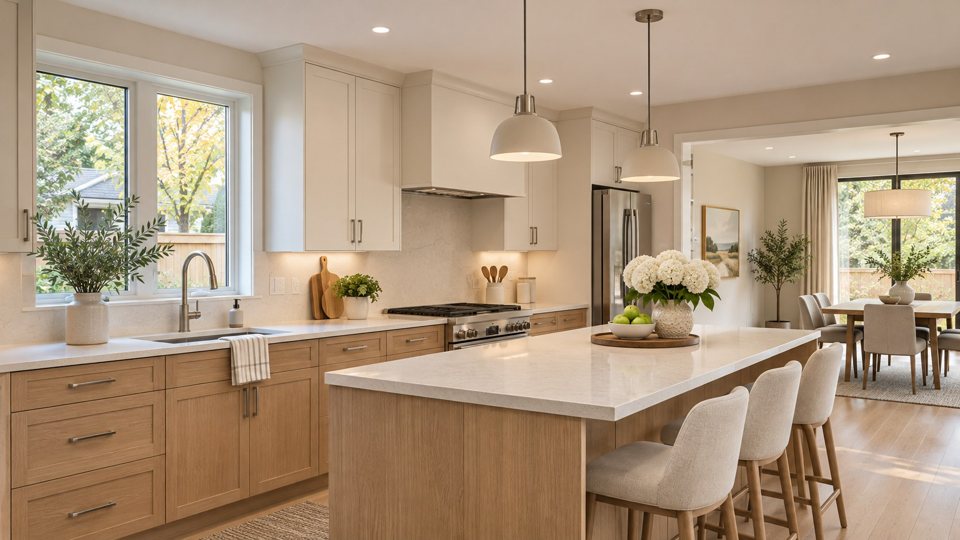
Start with the space.
Discuss the property, the people who use it and the outcome you want to achieve.

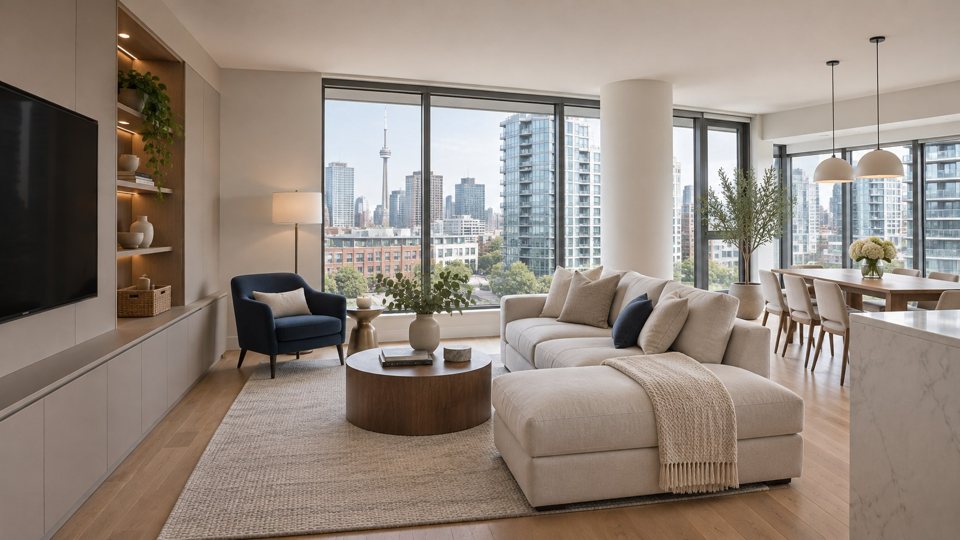
Residential & Commercial Renovations
Renew your condominium interior with the wider building in mind.
01 / The possibilities
Renovating within a condominium unit involves more than selecting finishes. The corporation’s requirements, shared access and the limits of the existing building all need consideration. Matteo discusses proposed unit work with owners so these factors can inform the next steps.
Condominium owners planning interior improvements within a unit and coordinating with their building’s management team.
A scope shaped around your property
Start with the improvements that matter most. Together, we can discuss the details, the responsibilities and the right sequence for your space.
Tell us what you have in mind ↗02 / Details make the difference
Beyond the first impression: the choices and practical details that shape a well-planned project.
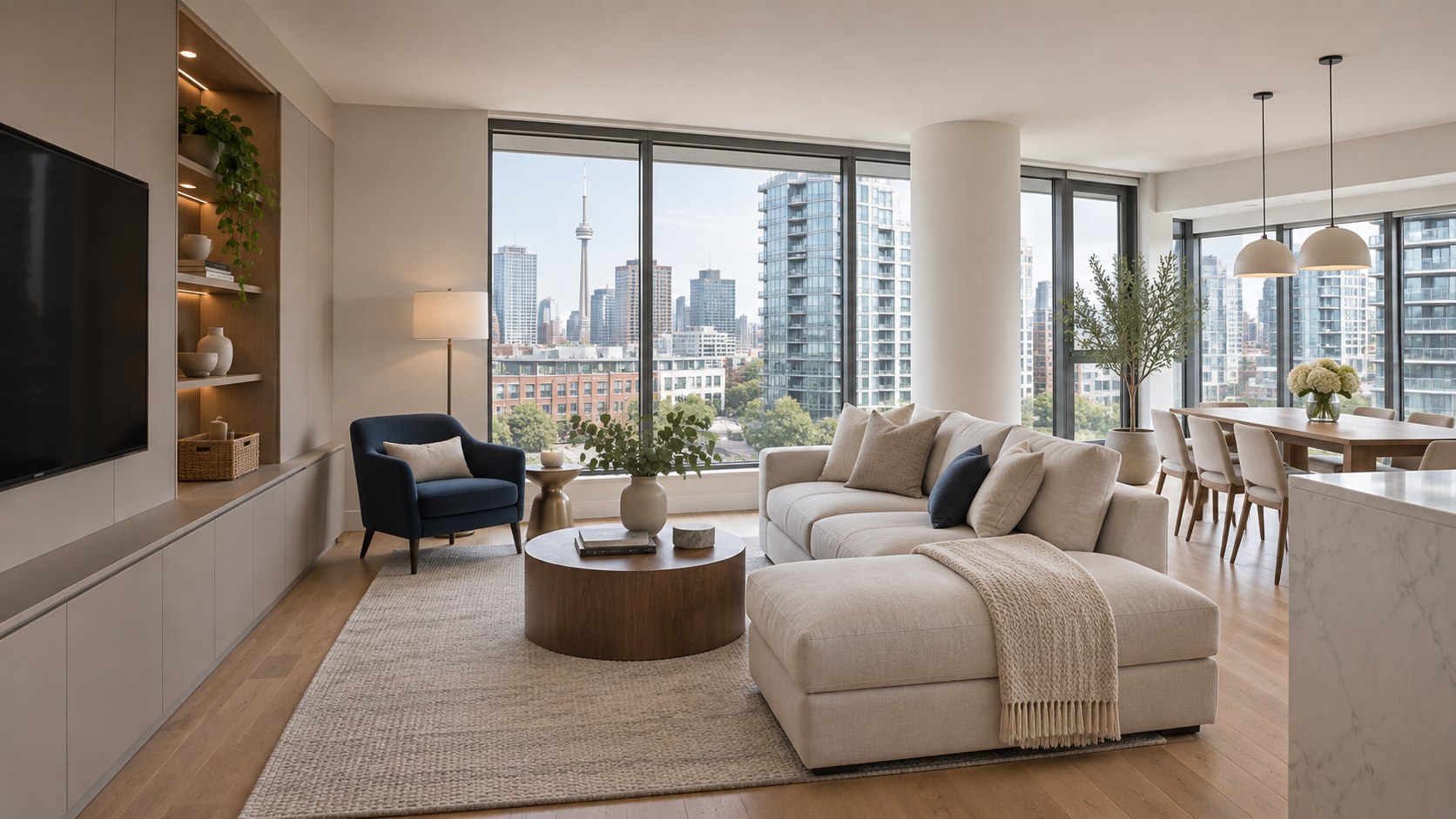
A unit renovation takes place within a larger property with its own operating arrangements. Understand the corporation’s renovation requirements before finalizing the construction schedule. Share the proposed work, any available drawings and the building’s submission process so responsibilities are clear.
02 — THE PRACTICAL DETAILSIdentify the rooms, finishes and built-in elements included in the renovation. Record what will remain, what needs protection and which changes need further professional review. Work involving shared or structural elements should not be assumed to form part of an ordinary finish update.
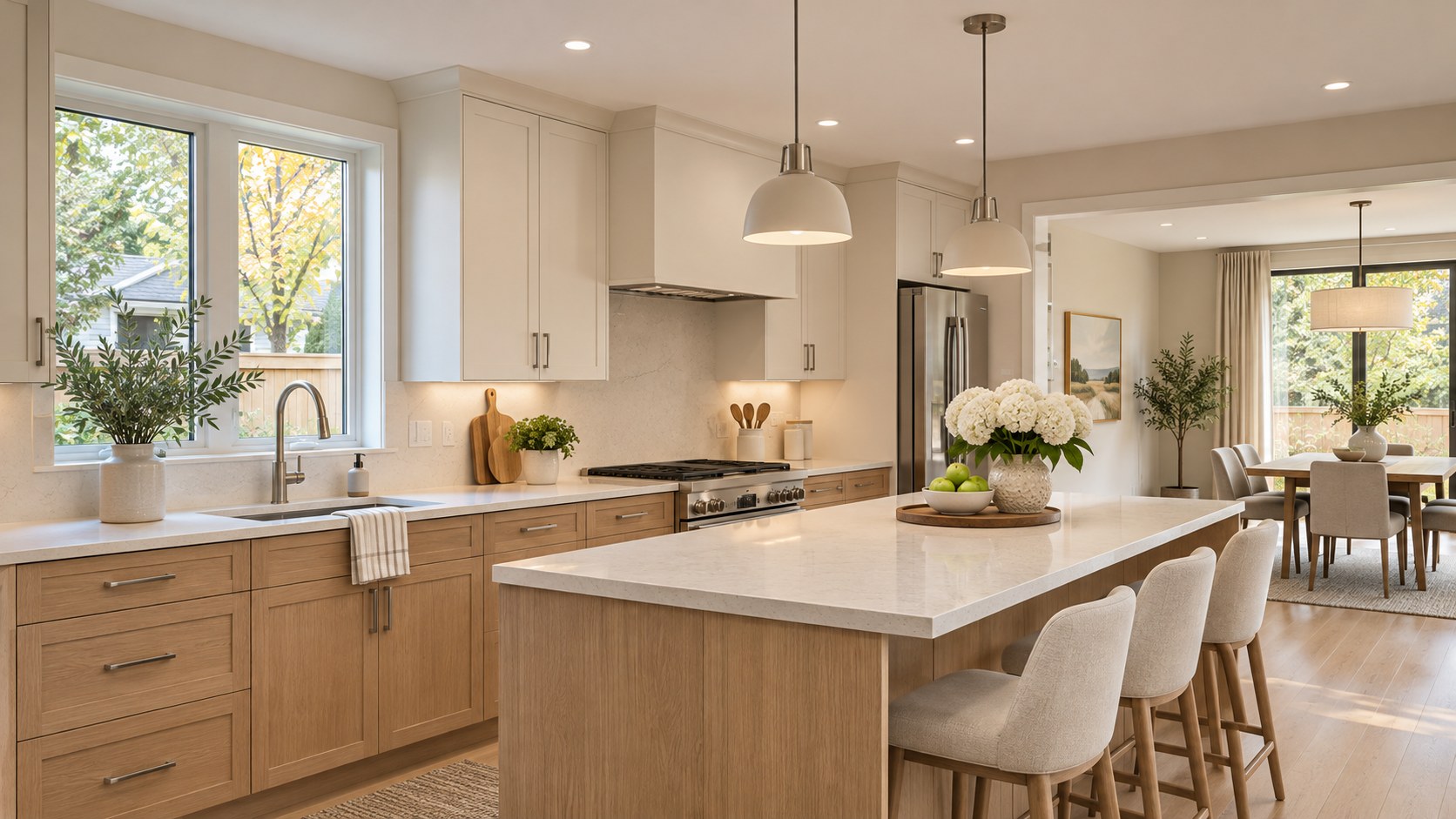
Elevators, loading arrangements, material movement and working hours can shape a unit renovation. Discuss these with property management and bring the information into the project plan. Coordinating those practical details early helps align the homeowner’s expectations with the building’s requirements.
Review the completed unit work and the agreed completion items. Confirm any building-related closeout information that has been requested, and keep records of selected products and responsibilities for separately supplied installations.
The Matteo approach
Know what is being discussed, how decisions connect and what comes next.
Discuss the property, the people who use it and the outcome you want to achieve.
Review finishes, responsibilities, access and any design or approval requirements.
Agree the proposed sequence and arrangements for the building and its occupants.
Review completion against the agreed scope and address outstanding items together.
03 / Make the first conversation count
Obtain the corporation’s renovation requirements and share any proposed drawings. Working hours, elevator bookings, material movement, deposits and approvals should be understood before a construction schedule is agreed.
The property, the agreed work and the proposed sequence guide a meaningful proposal.
04 / A little more clarity
What to consider before planning condominium unit renovations.
Have another question? ↗It is useful to obtain the building’s renovation rules early. Approval requirements vary with the corporation and the proposed changes.
Do not assume they can. Proposed changes require review by the appropriate professionals and the corporation where applicable.
Yes. Obtain the relevant renovation requirements early and share the status of any required submissions. The construction schedule should account for the building’s process.
It can. Flooring, cabinetry or layout changes may bring additional design or building considerations. Review selections against the full proposed scope before committing to them.
Share those hours at the beginning. They are one of the factors used to discuss the proposed work sequence and realistic access arrangements.
Connected expertise
Industry organizations
Explore the organizations supporting condominium management, restoration and workplace safety.